You don’t have to spread human waste on farms to eliminate the use of synthetic fertilizers. There are plenty of sustainable farming methods, it’s just that synthetic fertilizers are dirt cheap and that’s really the only thing that matters in industrial agriculture
If you use compost as fertilizer, you need plant scraps. If you harvest parts of the plant for food, the scraps cannot contain all the nutrients extracted from the soil, but only a certain part of it. For some nutrients like nitrogen you can explicitly use plants to extract it from the air and accumulate it in the soil. Others like phosphorus come directly from the stone and soil. You can of course grind down stones and put the powder on your field to compensate the harvest you took away, but again that’s moving a finite ressource from A to B, not a closed circle. In contrast ALL the nutrients we took from the field end up in human feces (and a small part in the body). Putting it back is just a logical consequence and has been done for thousands of years.
The issue is that we have these harmful substances in the waste water. Partly from our bodies as we ate them. Partly, from industrial complexes, cleaning supplies etc. because it all ends up in the same pipe.
It’s a similar thing with forests BTW. If you keep extracting wood, but don’t return anything, the soil isn’t exactly getting better. Plus the effects of all the heavy machinery that compresses the soil making harder for plants to reach with their roots.
The waste isn’t the problem, and it needs to go somewhere.
The price of normal fertilisers has risen very steeply over the past five years. Sustainable farming methods rarely scale. Farmers aren’t stupid, and they aren’t usually in the business of damaging the environment they farm.


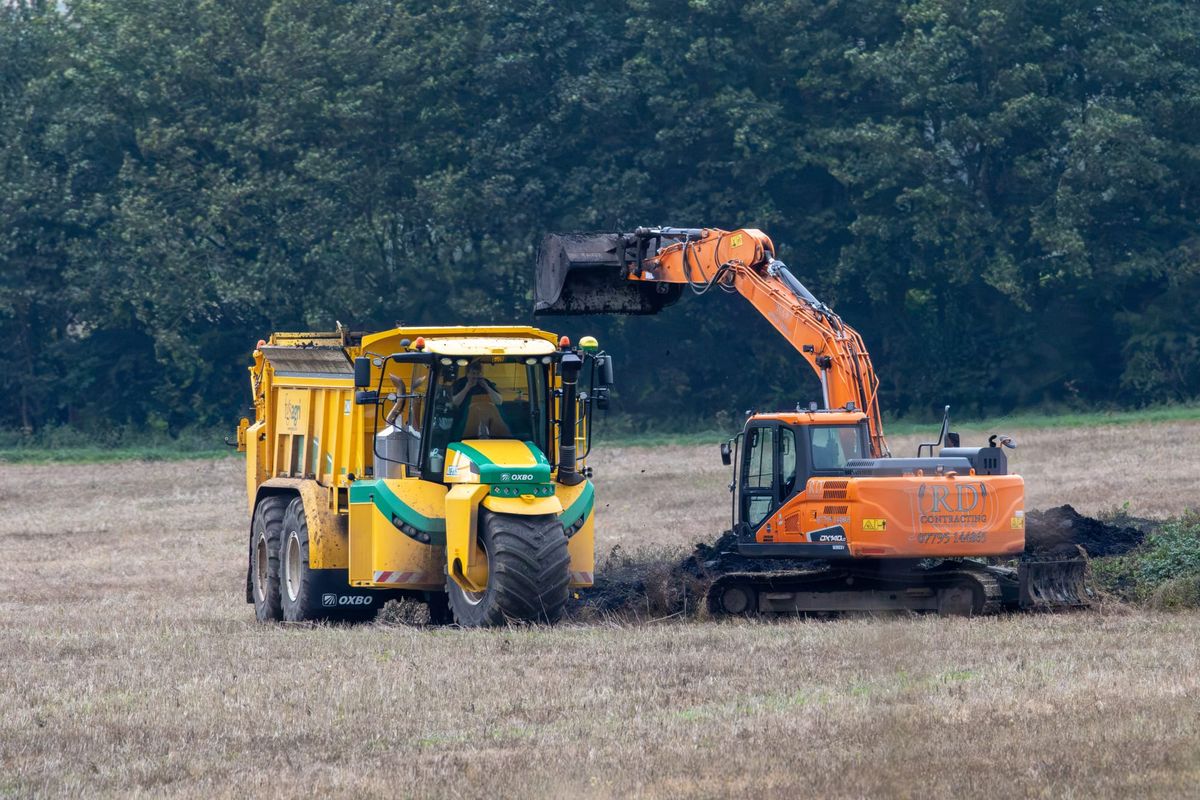
You don’t have to spread human waste on farms to eliminate the use of synthetic fertilizers. There are plenty of sustainable farming methods, it’s just that synthetic fertilizers are dirt cheap and that’s really the only thing that matters in industrial agriculture
If you use compost as fertilizer, you need plant scraps. If you harvest parts of the plant for food, the scraps cannot contain all the nutrients extracted from the soil, but only a certain part of it. For some nutrients like nitrogen you can explicitly use plants to extract it from the air and accumulate it in the soil. Others like phosphorus come directly from the stone and soil. You can of course grind down stones and put the powder on your field to compensate the harvest you took away, but again that’s moving a finite ressource from A to B, not a closed circle. In contrast ALL the nutrients we took from the field end up in human feces (and a small part in the body). Putting it back is just a logical consequence and has been done for thousands of years.
The issue is that we have these harmful substances in the waste water. Partly from our bodies as we ate them. Partly, from industrial complexes, cleaning supplies etc. because it all ends up in the same pipe.
It’s a similar thing with forests BTW. If you keep extracting wood, but don’t return anything, the soil isn’t exactly getting better. Plus the effects of all the heavy machinery that compresses the soil making harder for plants to reach with their roots.
The waste isn’t the problem, and it needs to go somewhere.
The price of normal fertilisers has risen very steeply over the past five years. Sustainable farming methods rarely scale. Farmers aren’t stupid, and they aren’t usually in the business of damaging the environment they farm.